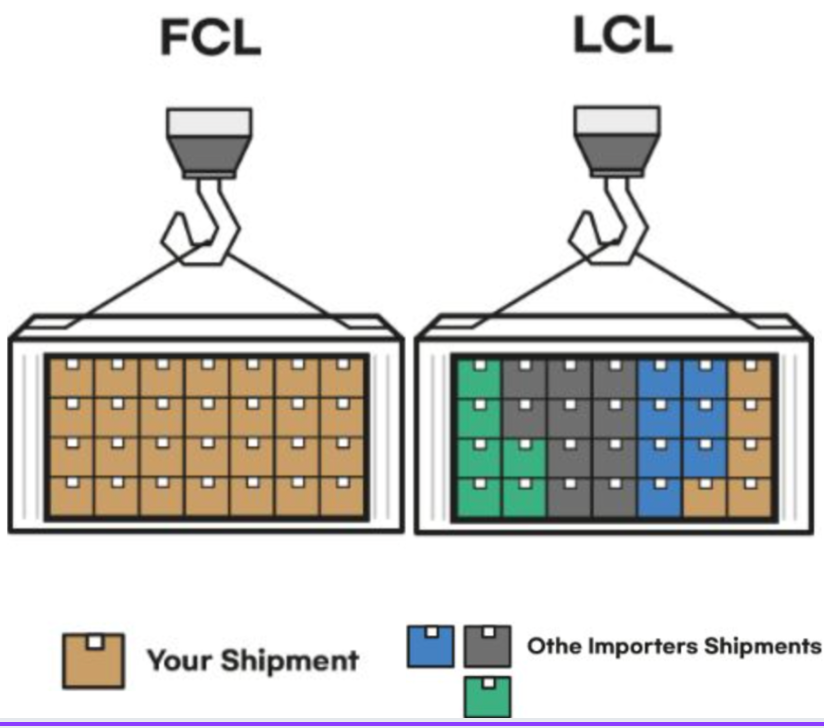
LCL & FCL Sea Freight from China
Ship smaller LCL cargo or full containers from China to New Zealand and Australia with route planning, supplier coordination and destination support.

China to New Zealand & Australia Logistics
Helping NZ and AU businesses import from China with reliable shipping, transparent pricing guidance and dedicated local support.
Choose the right freight option based on cargo size, urgency, destination requirements and the level of support you need.
Ship smaller LCL cargo or full containers from China to New Zealand and Australia with route planning, supplier coordination and destination support.
Coordinate pickup, international freight, customs support and final delivery through one practical shipping plan.

Get help preparing invoices, packing lists, HS code checks and biosecurity-related documents for NZ MPI or Australian DAFF requirements.
Nexus Freight helps New Zealand businesses move cargo from Chinese suppliers to Auckland, Tauranga, Wellington, Christchurch and other NZ destinations.
Plan sea freight, air freight, customs support and door-to-door delivery from China to major Australian destinations.
Tell us your origin, destination, cargo size and ready date. We can help compare LCL, FCL, air freight and door-to-door options.
Request a Shipping PlanPractical freight guides for importers comparing cost, timing, customs requirements and shipping terms before requesting a quote or landed cost estimate.
Short answer: China to NZ and Australia freight cost is not just the ocean or air freight rate. A useful estimate should include origin charges, international freight, destination charges, customs clearance, duty, GST and final delivery.
Short answer: Port-to-port transit time is only one part of the import timeline. Door-to-door timing also depends on supplier readiness, pickup, export handling, customs clearance, biosecurity checks and local delivery availability.
Short answer: A smooth import starts before the cargo leaves China. Importers should confirm supplier readiness, cargo details, commercial documents, HS code assumptions, GST/duty exposure and any product-specific compliance requirements.
Short answer: The best shipping option depends on cargo volume, urgency, control, customs responsibility and how much destination-side support you need. The cheapest headline rate is not always the lowest landed cost.
Straight answers to common questions about freight costs, landed cost, LCL, FCL, destination charges, documents, customs clearance and import risks.
The cost depends on shipment volume, weight, origin city, destination, freight method, Incoterms, season and local charges. A useful quote should separate origin charges, international freight, destination charges, customs clearance, duties, GST and final delivery.
A landed cost estimate is the expected total cost to move goods from supplier to destination, including freight, port charges, customs clearance, duty, GST and delivery. It is more useful than looking at ocean freight alone.
Common destination charges can include terminal handling, documentation or delivery order fees, devanning, customs clearance, port security, biosecurity inspection and local delivery. The exact charges depend on port, cargo type and shipment terms.
LCL is normally charged by revenue ton, meaning the carrier compares cargo volume and chargeable weight, then uses the greater result. The conversion ratio can vary by route and provider, so it should be confirmed before booking.
LCL is often cheaper for smaller shipments because you only pay for shared container space. FCL can become more cost-effective and easier to manage when cargo volume is higher, often around 15 CBM or more depending on route, season and destination fees.
In some cases, consolidation can reduce unit cost, especially when timing is flexible and cargo can move with compatible shipments. Nexus Freight can review the cargo size, ready date and destination to check whether consolidation makes sense.
Port-to-port sea freight commonly takes several weeks. Door-to-door timing is longer because it includes factory pickup, export handling, sailing schedule, customs clearance, biosecurity checks and final delivery.
Common delay points include supplier readiness, missed vessel closing time, customs inspection, incomplete documents, biosecurity checks, wood packaging issues, port congestion and local delivery booking availability.
Common documents include a commercial invoice, packing list, bill of lading or airway bill. Some products may also need MSDS, battery documentation, fumigation certificates, commodity inspection certificates or other compliance documents.
We can help review the product description and coordinate customs clearance support. Final HS code classification, GST, duty and anti-dumping exposure depend on detailed product information and destination country rules.
Yes, some products require extra documents such as MSDS, UN38.3 battery test summaries, dangerous goods declarations, certificates or import permits. These should be checked before cargo leaves the supplier.
New Zealand MPI and Australian DAFF both apply strict biosecurity rules. Solid wood packaging may require compliant treatment, marking or fumigation documents. Using compliant plywood or properly treated packaging can reduce inspection and delay risk.
Yes, different Incoterms can be supported depending on the shipment. EXW usually requires pickup from the supplier, FOB starts from the Chinese port, DAP covers delivery to a named destination, and DDP may include duties and taxes if agreed in the service scope.
FOB usually means the supplier is responsible up to the Chinese port. DAP means delivery is arranged to a named destination but duties and taxes are usually paid by the buyer. DDP usually includes duties and taxes in the seller's responsibility, depending on the agreed terms.
Often yes, but the warehouse needs clear receiving details, package marks, supplier references and cargo documents. Packaging should be strong enough for consolidation, container loading and international transport.
It can happen. LCL cargo shares container space, so customs or biosecurity inspection affecting the container or devanning process may delay other cargo in the same container. This is one reason FCL can be preferable for some urgent or sensitive shipments.
Freight forwarders can plan around a preferred sailing schedule, but vessels can change because of carrier omissions, weather, port congestion, customs holds or other operational events. Critical deadlines should be planned with buffer time.
Digital platforms can be useful for fast comparisons. Nexus Freight focuses on practical route advice, document review, local destination support and helping importers understand the full landed cost rather than only the headline freight rate.
Yes. If your shipment volume is expected to grow, we can help compare LCL, consolidated shipments and FCL options, then adjust the service model as volume, timing and destination requirements become more predictable.
Nexus Freight is a New Zealand-based freight forwarding business specialising in China to New Zealand and China to Australia logistics.
We help importers make clearer shipping decisions by combining freight coordination with practical guidance around costs, timelines, customs and delivery options.
Send the shipment details below and we will help you compare practical freight options from China to New Zealand or Australia.
Complete what you know. Submitting opens a prepared email so you can review it before sending.